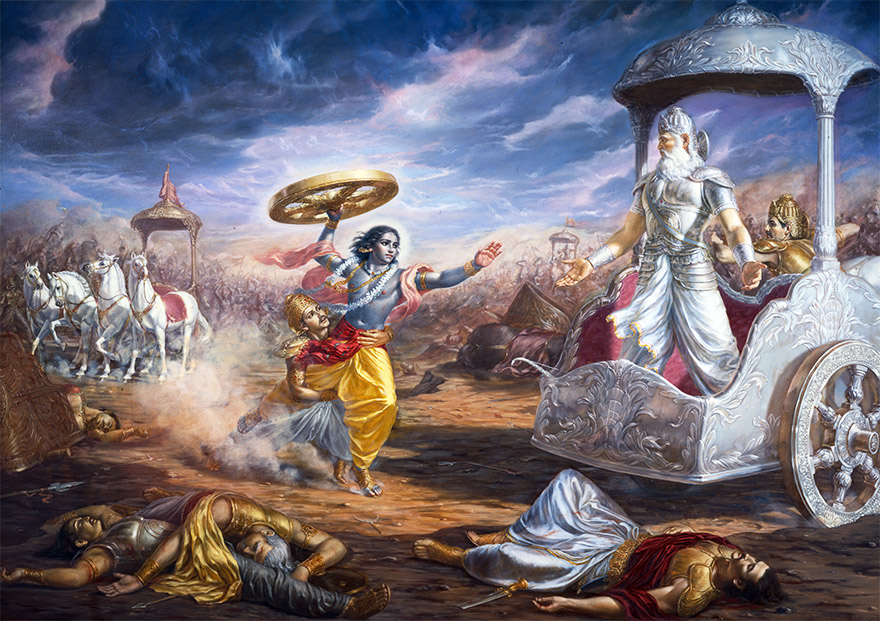
In this Bhagavad Gita AI experiment, we embark on a spiritual and technological journey centered around one of India’s most treasured scriptures. We explore its profound teachings by recording a selected verse and using AI to transcribe and summarize it. We delve into one of the most cherished scriptures of Bharat/India, the Bhagavad Gita, to explore its profound teachings. We will start by recording a selected verse from the Bhagavad Gita. This brings its ancient wisdom to life through the spoken word. After the recording, we’ll harness the innovative capabilities of OpenAI’s Whisper-1 model to transcribe the audio precisely. Our final step will be to distill the essence of the Bhagavad Gita passage. We will show a concise summary that captures the core teachings of this timeless text.
Our Bhagavad Gita AI Experiment: Recording the Verse with Audacity
Building on our first venture, we offer to you the audio file crafted for this unique experiment. This recording is captured in the melodious and expressive Hindi language. It allows us to connect with the text in its original linguistic beauty. The mp3 file has been artfully created using Audacity, a renowned open-source audio-editing platform known for its versatility and accessibility.
What This Verse Means
The passage speaks of the vastness of the spiritual sky and the different paths to the divine—through the impersonal Brahman, the localized Paramatma, or personal devotion to Krishna. It reminds us that the entire material creation is only a quarter of what exists; the rest is spiritual. At the time of death, our consciousness determines our next destination, making a life of devotion supremely valuable. The concluding mantra—Om Krishnaya Vasudevaya Haraye Paramatmane—encapsulates a complete surrender to the Supreme, a theme that runs through the entire Gita.
Precise Hindi Transcription Using OpenAI’s Whisper-1 Model
Leveraging the power of language processing, I’ve utilized OpenAI’s Whisper-1 model to accurately transcribe the aforementioned audio file. We created an account with OpenAI. Then, we enabled the necessary audio APIs. This granted us access to the model’s robust transcription features. As the original recording was in Hindi, the resulting transcript remains faithful to the language, showcasing ChatGPT’s impressive multilingual capabilities.
{
“text”: “जैसा की पहले कहा जा शुका है अध्यात्मवादियों के कई प्रकार हैं. ब्रह्मवादी, परमात्मवादि तथा भक्तँ। और जैसा की उललेक हो चुका है ब्रह्म ज्योती अध्यात्मिक आकाश में असंकर अध्यात्मिक लोक हैं। इन लोकों की संख्या भौतिक जगत के लोकों की संख्या से कहीं अधिक पड़ी है। यह भौतिक जगत अखिल सुरिश्टी का केवल चतुयारश है। एकाशेन थितो जगत। इस भौतिक खंड में लाकों करोणों ब्रह्मान हैं। जिन में अरबों लोक और सूर्य, तारे तथा चंडर्मा हैं। किन्टु यह सारी भौतिक सुरिश्टी सम्पून सुरिश्टी का एक खंड मातर है। अधिकांच सुरिश्टी तो अध्यात्मिक आकाश में हैं। जो व्यक्ति परम ब्रह्म में तदाकार होना चाता है, वह तुरंद ही परमेश्वर की ब्रह्म जोती में भेज दिया जाता है। और इस तरह वह अध्यात्मिक आकाश को प्राप्त होता है। जो भक्त भगवान के सानिद्य का भोग करना चाता है, वह वैकुंट लोगों में प्रवेश करता है, जिनकी संख्या अनंत है। जहांपर परमेश्वर अपने पून अंशो चतुर भोज नरायन के रूप में तथा प्रत्युमन अनिरोध तथा गोविन जैसे भी भिन नामों से भक्तों के साथ साथ रहते हैं। अतेव जीवन के अंत में अध्यात्मवादी, ब्रह्म चोती, परमात्मा या भगवान श्री कृष्ण का चिंतन करते हैं। प्रत्येक दशा में वे अध्यात्मिक आकाश में प्रविष्ट होते हैं, लेकिन केवल भक्त या परमेश्वर से सम्मंदित रहने वाला ही वैकुंत लोक में या गो लोक विंदावन में प्रवेश करता है। भगवान ये भी कहते हैं कि इसमें कोई संदे नहीं है, इस पर ध्रिन विश्वास करना चाहिए, हमें चाहिए कि जो हमारी कलपना से मेल नहीं खाता उतका भहिशकार ना करें, हमारी मनो विवरती अरचुन की सी होनी चाहिए, आपने जो कुछ कहा उसपर मैं विश्व परमात्वा या भगवान के रूप में उनका चिंतन करता है, वह निश्चित रूप से अध्यात्मिक आकाश में प्रवेश करता है, तो इसमें कोई संदे नहीं है, इस पर अविश्वास करने का प्रश्ट ही नहीं उठता. भगवत गीता में इस समान सिधान्त की भी व्याक्या है, जो मित्यू के समय ब्रह्म का चिंतन करने से अध्यात्मिक थाम में प्रवेश करना सुगम बनाता है. अपने इस शरीर को त्यागते समय मनुश जिस जिस भाव का स्मरन करता है, वह अगले जना में उस उस भाव को निश्चित रूप से प्रात होता है. अब सब प्रतम हमें यह समझना चाहिए, कि भौति प्रकृति परमेश्वर की एक शक्ति का प्रदर्शन है. विश्णु पुराण में भगवान की समग्र शक्तियों का वर्णन हुआ है. परमेश्वर की शक्तियां विविद तथा असंक्य हैं, और वे हमारी बुद्धी के परे हैं. लेकिन बड़े बड़े विध्यान मुन्यों या मुक्तात्माओं ने इन शक्ठियों का अध्यां करके इन्हे तेन भागों सारे बाता हैं. ऽारी शक्तियां विश्णु शक्ति हैं, अरथात भगवान विश्णु की विभिन शक्तियां है. पहली शक्ति परा यह अध्यातमिक है. जिव भी पराशक्ति है, जेसा की पहले कहा जा चुका है। अन्य शक्तियां या भौतिक शक्तियां तामसी हैं। मिठ्यू के समय हम या तो इस संसार की अपड़ा शक्ति में रहते हैं, या फिर अध्यातमिक जगत की शक्ति में चले जाते हैं। ओम् किष्णाए वासुदेवाय हरिये परमात्मने प्रन्तक्लेश नाशाय गोविंदाय नमो नमः”
}
Why I Chose This Verse
I selected this passage because it addresses the very question that drew me to the Gita in the first place: what happens after death? For years, my understanding was merely intellectual. But when I heard this verse aloud in Hindi—the language of my roots—something shifted inside. It wasn’t philosophy anymore; it was an experience. I wanted to see if AI could help me capture that experience in a new way and make it accessible to others who might be curious about the intersection of ancient wisdom and modern technology.
Mastering Text Synthesis: Summarizing the Gita with Strategic Prompting
We have woven an intricate tapestry with text and technology. Building on this foundation, I set out to distill the essence of our transcribed text. Drawing upon the insightful guidelines on crafting potent prompts, I endeavored to create a succinct summary of the passage. Below, I share a simple but precise prompt with you. It served as the key to unlocking a condensed yet meaningful version of our transcription. This exercise proves the art of synthesis. We strive to capture the profound messages of the Gita. We aim for a form that is both accessible and resonant.
Summarize the text delimited by triple quotes above.
The text discusses various types of spiritual beliefs, such as Brahmavadi, Paramatmavadi, and Bhakt. It also talks about different spiritual realms like the Brahma Jyoti in the spiritual sky. It mentions that the physical world is just a small part of the entire creation and that there are countless realms in the spiritual sky. The text emphasizes the importance of focusing on Brahma, Paramatma, or Bhagwan Shri Krishna in life to attain entry into the spiritual realm. It also mentions the different energies and powers of the Supreme God, Vishnu, as described in the Vishnu Purana. The text ends with a mantra praising Krishna and offering salutations to various aspects of the divine.
What AI Can’t Capture (And What I Learned)
The summary was accurate—technically. It told me what the text said. But it couldn’t tell me what it meant. It missed the devotional urgency of the original Hindi, the poetic rhythm, the feeling of surrender in the mantra Om Krishnaya Vasudevaya Haraye Paramatmane.
This experiment taught me something essential: AI can process language, but it cannot process bhava—the emotional essence that makes the Gita a living scripture. For that, we still need the human heart. And perhaps that’s as it should be.
Reflecting on this enlightening project, I must express my admiration for the seamless fusion of ancient text and modern technology. Nonetheless, we must also acknowledge that the nuances of the latter sections of our transcription didn’t fully translate. The summary was correct, yet it felt more like a literal conversion from Hindi to English. It fell just short of capturing the enigmatic depth I had anticipated. Perhaps my expectations were tinged with a hope for a touch of the divine—an essence that often transcends mere language.
If you’re on your own spiritual-technological journey, I encourage you to try this experiment yourself. Record a verse, let AI transcribe it, and then sit with the original—without any machine interpretation. You might be surprised what you find. And if you’re looking for more inspiration on blending ancient wisdom with modern tools, check out my review of 2025’s Top Spirituality Books.
Ultimately, this Bhagavad Gita AI experiment reminded me that while AI can process language, only the human heart can grasp the essence of devotion.






Leave a Reply